
Blog
Uncategorized
How Earthworms Can Revolutionise Soil Health & Boost Crop Yields

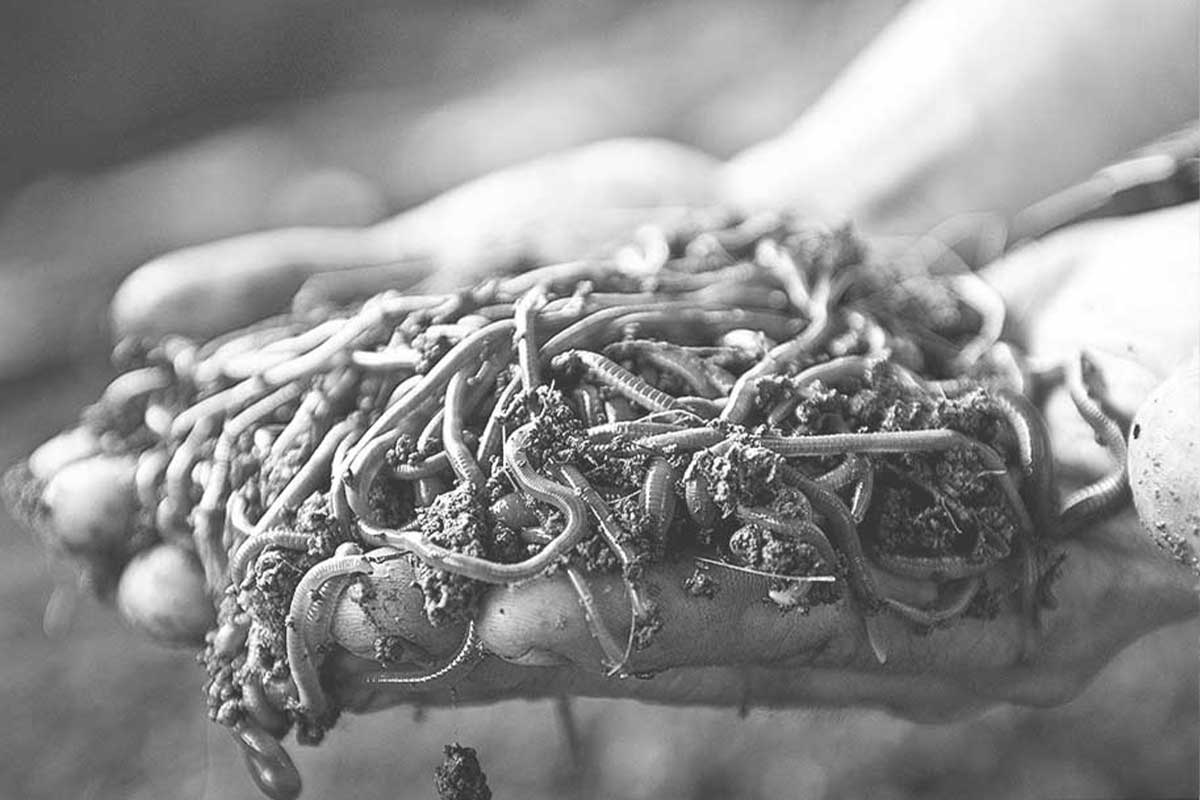
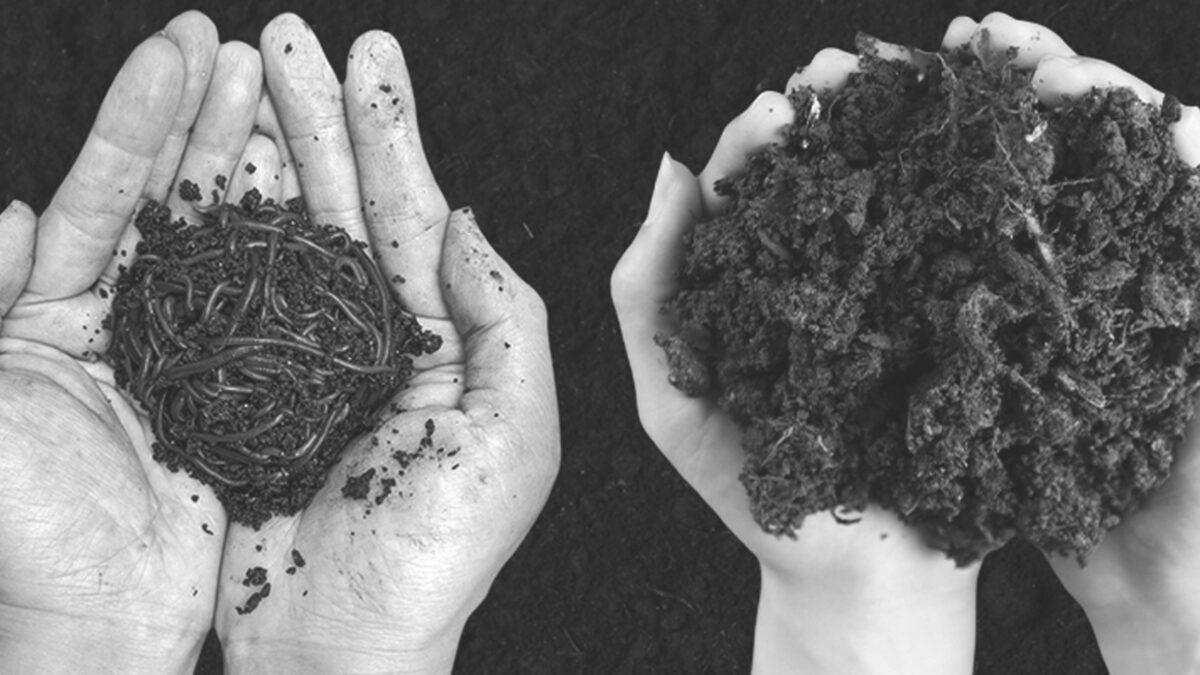
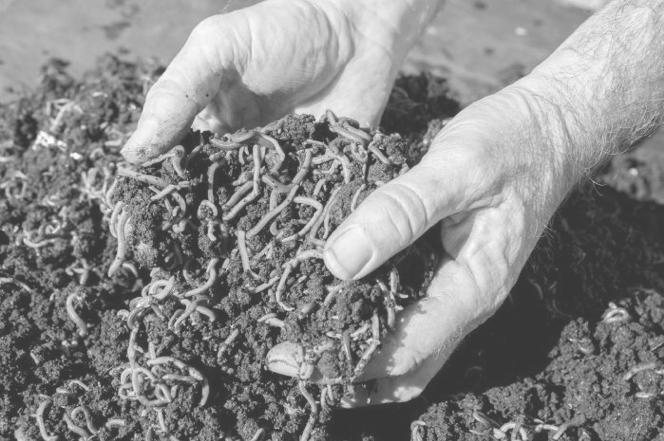

Soil is the foundation of all agriculture, yet many farms and gardens suffer from poor structure, nutrient depletion, and low microbial activity. The good news? Earthworms offer a natural, chemical-free solution to restoring soil health and increasing plant productivity.
In this guide, we’ll explore how African Nightcrawlers and Red Wigglers can revolutionise soil health and boost crop yields, making them a must-have for organic farmers, gardeners, and sustainable agriculture enthusiasts.
Earthworms are often called “nature’s soil engineers” because they:
Vermicompost is a mixture of worm castings, partially decomposed organic matter, and beneficial microbes. It’s what’s left in a worm bin after the composting process has occurred. While worm castings are 100% pure worm excrement, vermicompost still contains some organic matter that’s in the process of breaking down.
Get high-quality vermicompost from Organic To Go!
| Feature | Worm Castings | Vermicompost |
|---|---|---|
| Composition | 100% worm excrement | Mix of castings & organic matter |
| Nutrient Density | Higher concentration | Slightly diluted |
| Microbial Activity | Extremely rich in microbes | High microbial diversity |
| pH Level | Neutral (pH 7) | Varies depending on material |
| Best For | Direct fertilisation | Soil conditioning & structure |
So, which one should you choose? Use worm castings when you need a concentrated nutrient boost. Use vermicompost when you want long-term soil improvement.
The good news? Both worm castings and vermicompost are fantastic for soil health—it just depends on your goals!
✅ Want an instant nutrient boost? Go with worm castings.
✅ Want to improve soil texture and microbial diversity? Use vermicompost.
For best results, many farmers and gardeners use both—worm castings for feeding plants and vermicompost to build healthier soil over time.
Get yours today from Organic To Go and start improving your soil the natural way!
– Organic Farming Journal
No account yet?
Create an Account