
Blog
Uncategorized
Worm Castings vs. Vermicompost: What’s the Difference & Which One is Best?


Soil health is the foundation of any thriving garden or farm, but with so many organic options available, how do you know which soil amendment is right for you? Two of the most powerful natural fertilisers—worm castings and vermicompost—are often confused. While they’re related, they have key differences that impact how they should be used.
In this guide, we’ll break down the differences, benefits, and best applications so you can choose the right option for your soil.
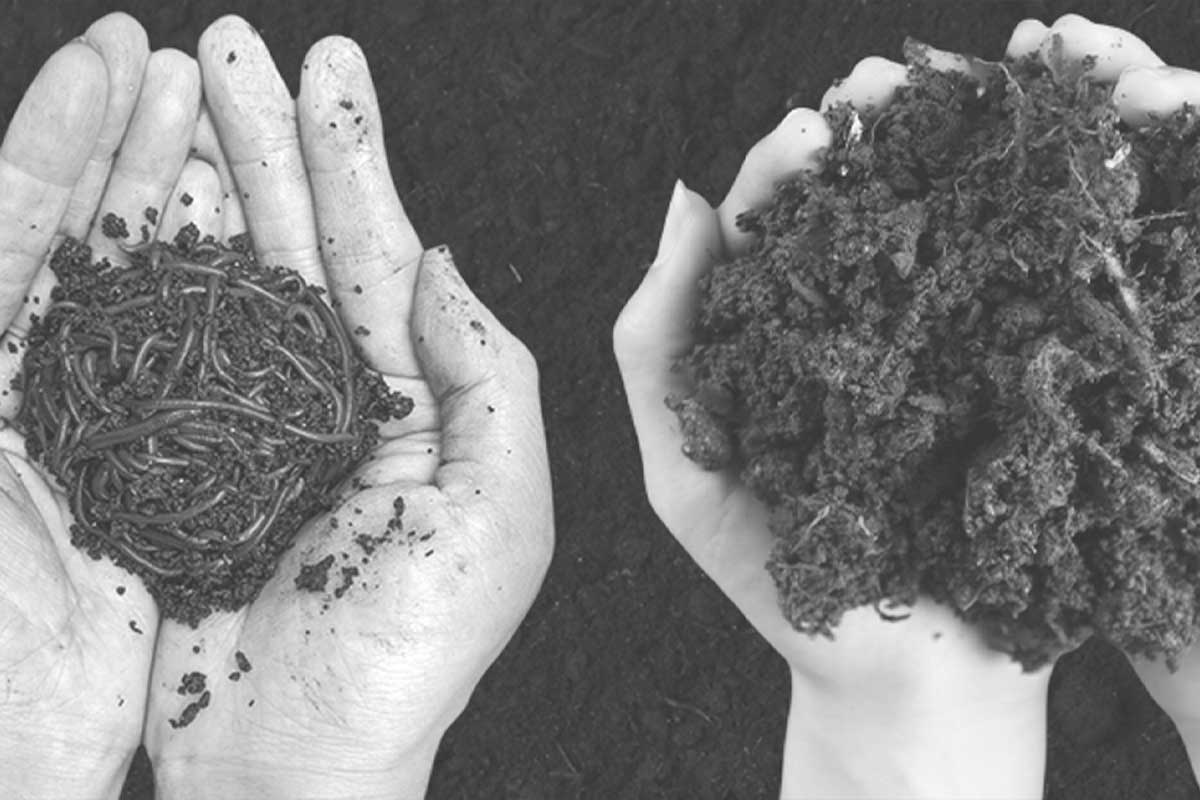
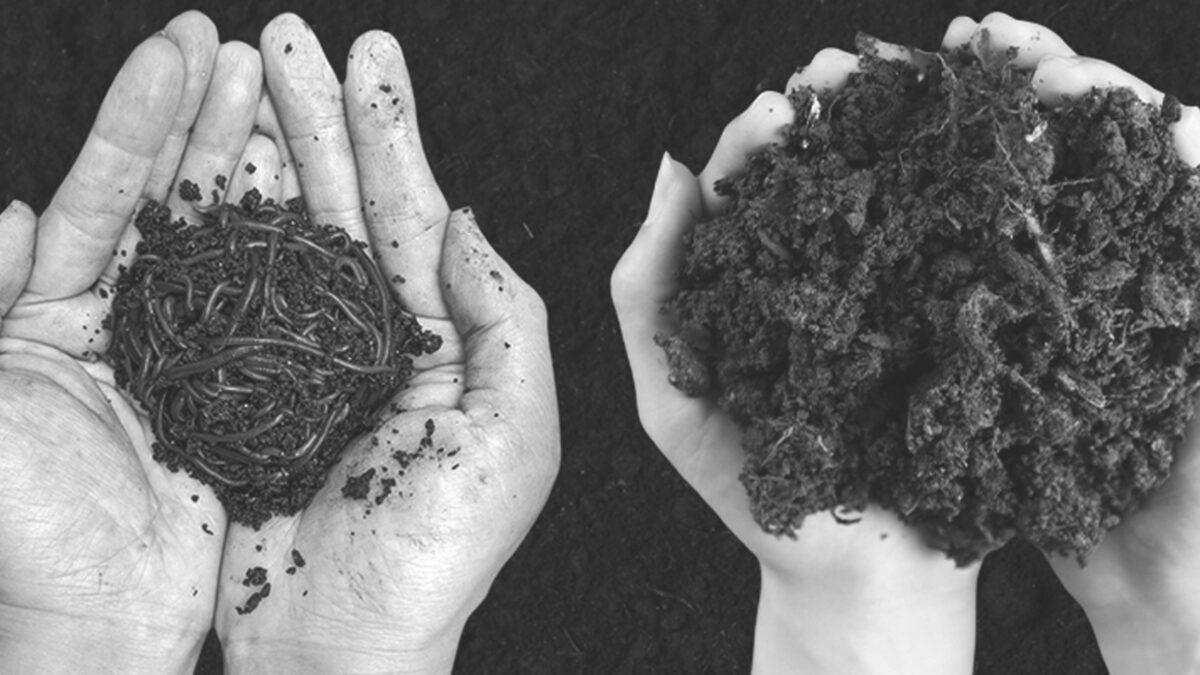
Worm castings, also called vermicast, are pure worm excrement. As worms digest organic matter, they break it down into a nutrient-rich, finely textured fertiliser packed with beneficial microbes. Unlike traditional compost, worm castings contain no undecomposed organic matter—just concentrated nutrients and microorganisms.
Get premium worm castings from Organic To Go!
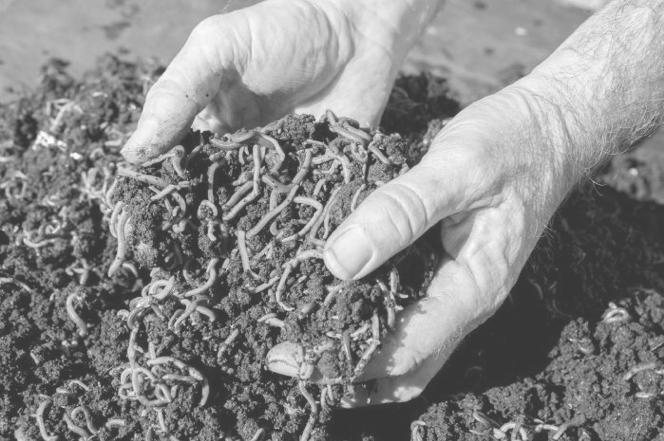
Vermicompost is a mixture of worm castings, partially decomposed organic matter, and beneficial microbes. It’s what’s left in a worm bin after the composting process has occurred. While worm castings are 100% pure worm excrement, vermicompost still contains some organic matter that’s in the process of breaking down.
Get high-quality vermicompost from Organic To Go!
| Feature | Worm Castings | Vermicompost |
|---|---|---|
| Composition | 100% worm excrement | Mix of castings & organic matter |
| Nutrient Density | Higher concentration | Slightly diluted |
| Microbial Activity | Extremely rich in microbes | High microbial diversity |
| pH Level | Neutral (pH 7) | Varies depending on material |
| Best For | Direct fertilisation | Soil conditioning & structure |
So, which one should you choose? Use worm castings when you need a concentrated nutrient boost. Use vermicompost when you want long-term soil improvement.
The good news? Both worm castings and vermicompost are fantastic for soil health—it just depends on your goals!
✅ Want an instant nutrient boost? Go with worm castings.
✅ Want to improve soil texture and microbial diversity? Use vermicompost.
For best results, many farmers and gardeners use both—worm castings for feeding plants and vermicompost to build healthier soil over time.
Get yours today from Organic To Go and start improving your soil the natural way!
– Organic Farming Journal
No account yet?
Create an Account