
Blog
Uncategorized
The Ultimate Guide to Vermicomposting: How to Turn Waste into Black Gold

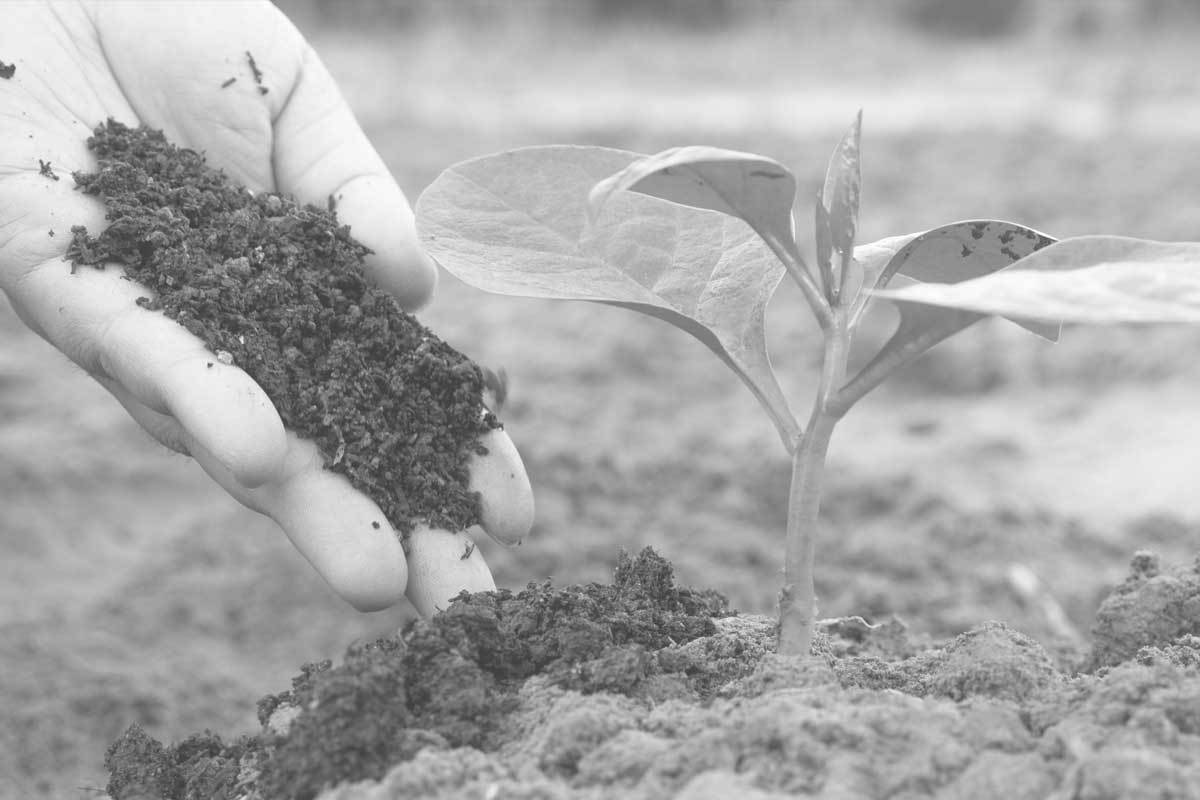
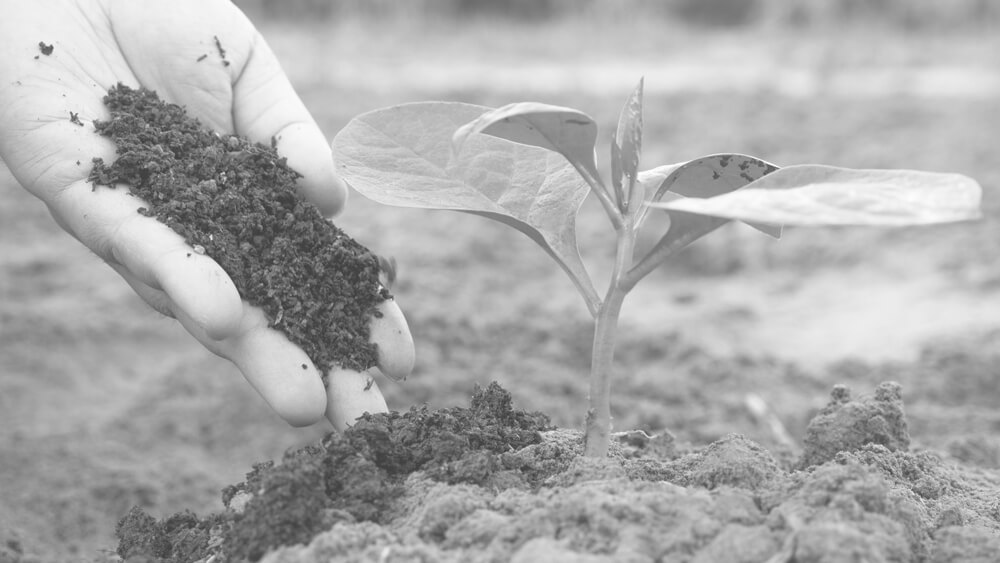


If you’re looking for a sustainable, low-maintenance way to enrich your soil, vermicomposting is your answer! Worms are nature’s best recyclers, turning food waste into nutrient-packed compost known as “black gold”.
Whether you’re a gardener, farmer, or eco-conscious homeowner, this guide will show you how to start vermicomposting and maximize your results.
Vermicomposting is the process of using composting worms (like Red Wigglers or African Nightcrawlers) to break down organic waste into nutrient-rich worm castings. These castings contain:
Not all worms are suitable for composting! You need surface-dwelling (epigeic) species that thrive in organic matter, like:
Get your composting worms today from Organic To Go.
You can buy a commercial worm bin or make your own using a plastic tote, wooden box, or a repurposed container.
Worms need moist, carbon-rich bedding to thrive. Use:
Dampen the bedding until it’s like a wrung-out sponge.
Once the bedding is ready, introduce your Red Wigglers or African Nightcrawlers to their new home! Let them settle before feeding.
Worms eat organic scraps, but not all food is suitable.
✅ Best Worm Food:
✔️ Fruit & veggie scraps 🍎🥕
✔️ Coffee grounds ☕
✔️ Crushed eggshells 🥚
✔️ Tea bags 🍵
✔️ Shredded paper & cardboard
🚫 Avoid These:
❌ Meat, dairy, and oily foods
❌ Citrus & onions (too acidic)
❌ Spicy foods & processed items
Feed small amounts at first and avoid overloading the bin!
After 2-3 months, your bin will be full of dark, crumbly worm castings—ready to enrich your garden!
Need high-quality castings without the wait?
Check out our Premium Worm Castings!
– Dr. Elaine Ingham, Soil Microbiologist
Vermicomposting is an easy, eco-friendly way to turn kitchen waste into organic fertiliser, helping your plants thrive while reducing landfill waste.
Ready to start?
Get your Red Wigglers, African Nightcrawlers, and Premium Worm Castings from Organic To Go and start creating black gold for your garden!
🌱 Healthy soil starts with healthy worms. Order today!
No account yet?
Create an Account